
Introduction
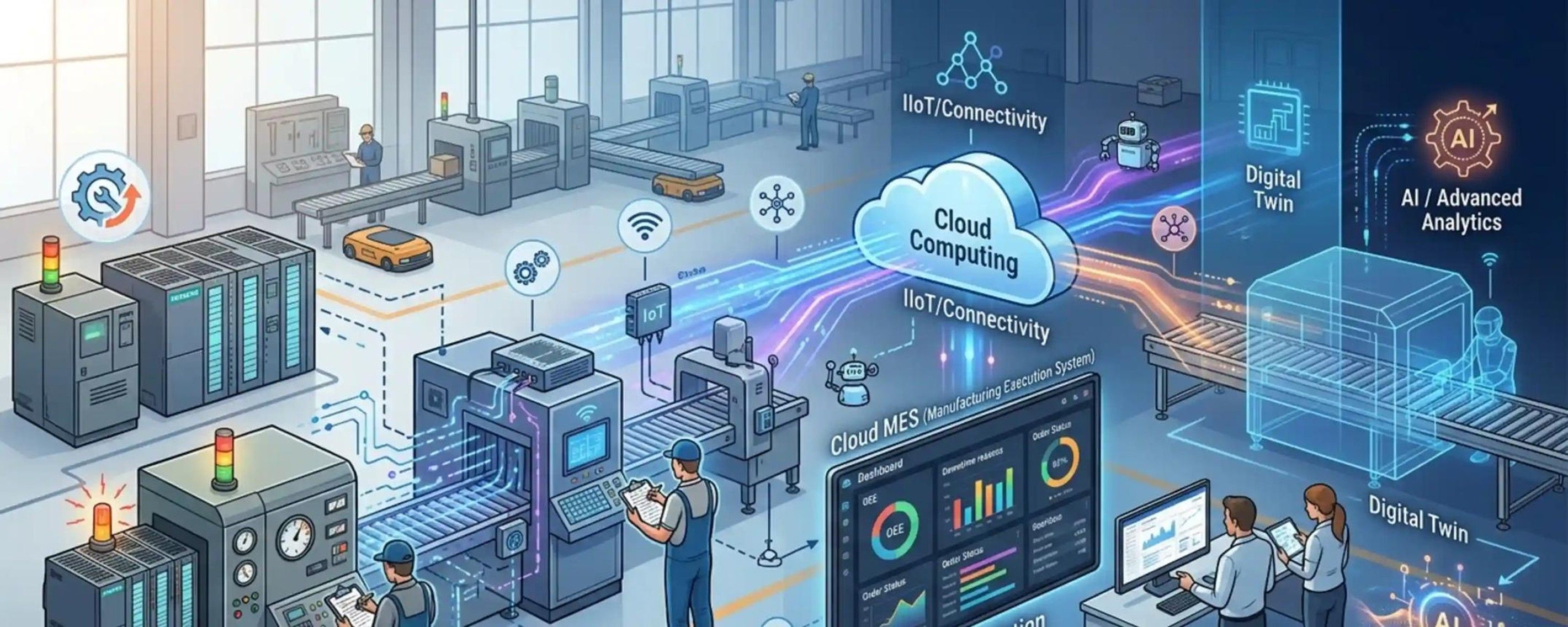
Modern manufacturing plants depend on many connected systems: machines, controllers, sensors, production software, databases, SCADA platforms, MES, ERP, analytics tools, mobile dashboards, and IoT applications. The challenge is not only collecting data from these systems, but making that data consistent, secure, and usable across the entire operation.
In many factories, equipment comes from different vendors and communicates through different protocols. As production environments grow, this fragmented architecture can make real-time visibility harder to achieve. Operations teams may have data at the machine level, but not always in a form that can be easily shared with enterprise applications or used for faster decision-making.
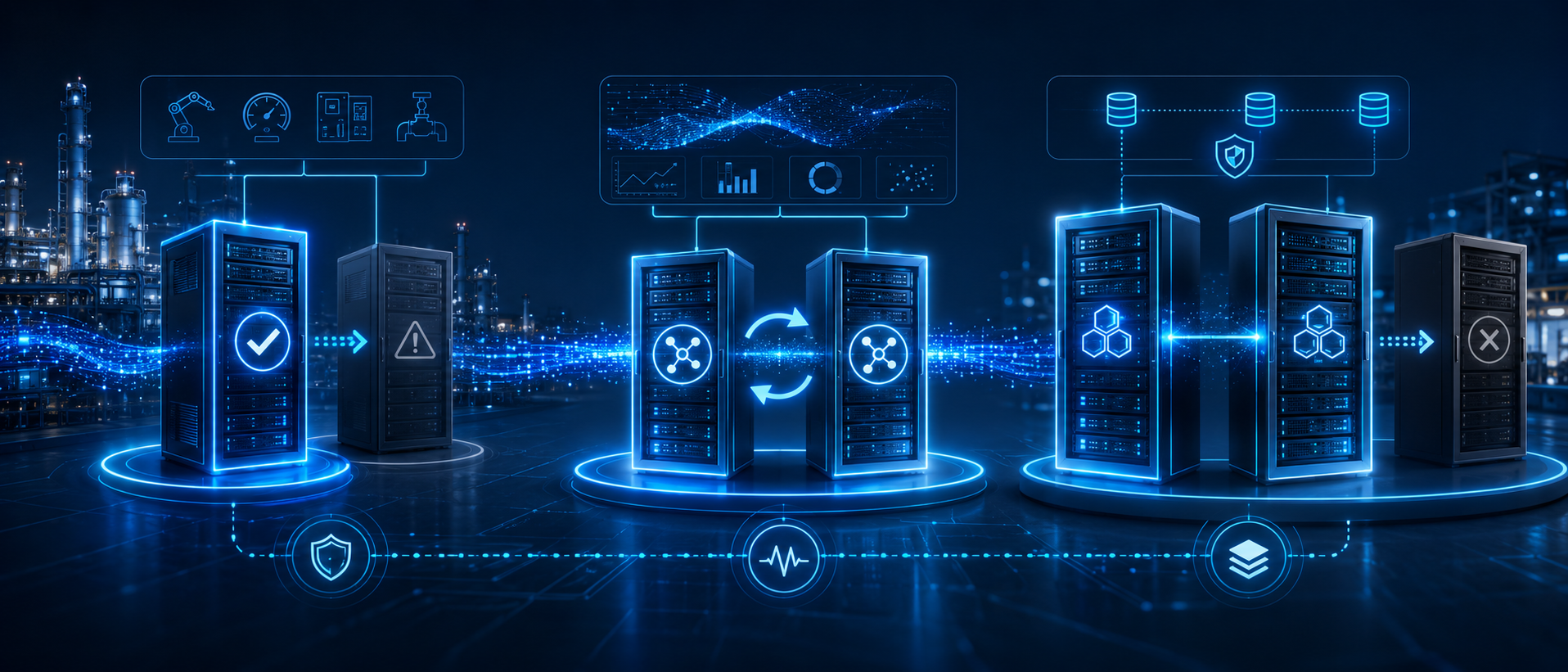
KEPServerEX addresses this challenge by acting as a standardized industrial communication platform. It connects production equipment, facility systems, infrastructure data, automation devices, databases, and enterprise applications through a single industrial data layer.
The Manufacturing Challenge
Manufacturing environments are rarely built around one technology stack. A single plant may include PLCs, controllers, legacy equipment, modern automation systems, production lines, quality stations, packaging systems, and facility management systems from multiple vendors.
This creates several communication challenges:
- Data is distributed across many machines and systems.
- Different devices may use different industrial protocols.
- Legacy equipment must often coexist with newer automation platforms.
- HMI, SCADA, MES, ERP, analytics, and IoT platforms need reliable access to operational data.
- IT and OT teams need secure, scalable, and manageable data connectivity.
Without a clear communication layer, integration becomes complex and difficult to scale. Teams may rely on point-to-point connections, custom interfaces, or isolated data pipelines that are harder to maintain over time.
KEPServerEX as an Industrial Communication Layer
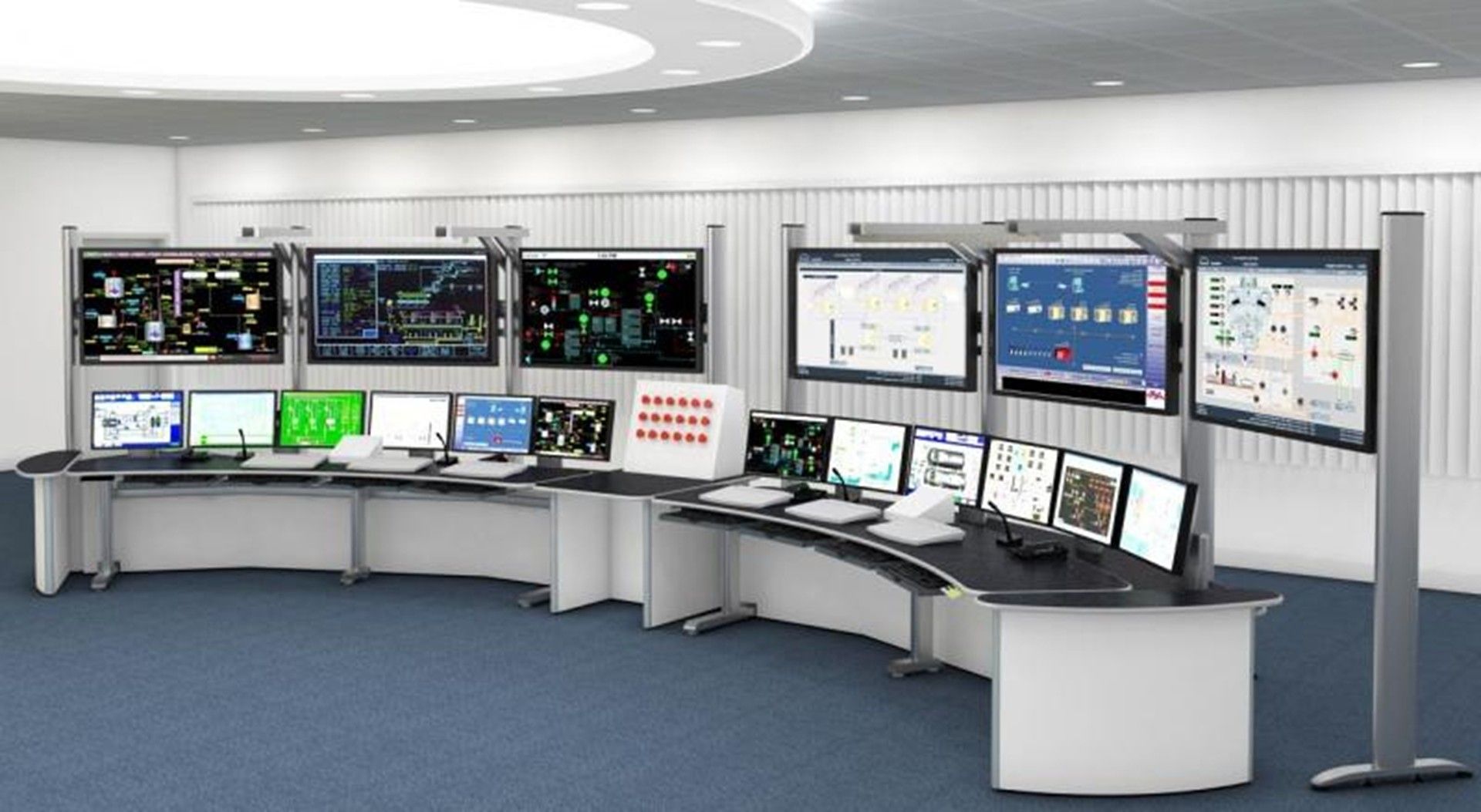
KEPServerEX provides a centralized platform for connecting, managing, monitoring, and controlling industrial automation data. Instead of treating every machine, protocol, and application as a separate integration problem, KEPServerEX creates a standardized communication layer between plant-floor systems and enterprise applications.
This approach helps manufacturers connect data from field devices, sensors, PLCs, controllers, production systems, HMI and SCADA platforms, MES, ERP, databases, historian systems, analytics platforms, mobile tools, Big Data environments, and IoT applications.
The result is a more structured industrial data architecture that supports real-time monitoring, operational visibility, and better coordination between plant-floor and business-level systems.
Key Capabilities for Manufacturing
KEPServerEX is relevant for manufacturing because it supports a broad range of industrial connectivity needs. Its value is not limited to one type of machine or one application layer.
Broad device and protocol connectivity
KEPServerEX supports connectivity across many automation vendors and protocols, including environments involving GE, Mitsubishi, Omron, Rockwell Automation, Schneider Electric, Siemens, MTConnect, OPC DA, OPC HDA, OPC UA, SNMP, ODBC, and other industrial systems.
Enterprise application connectivity
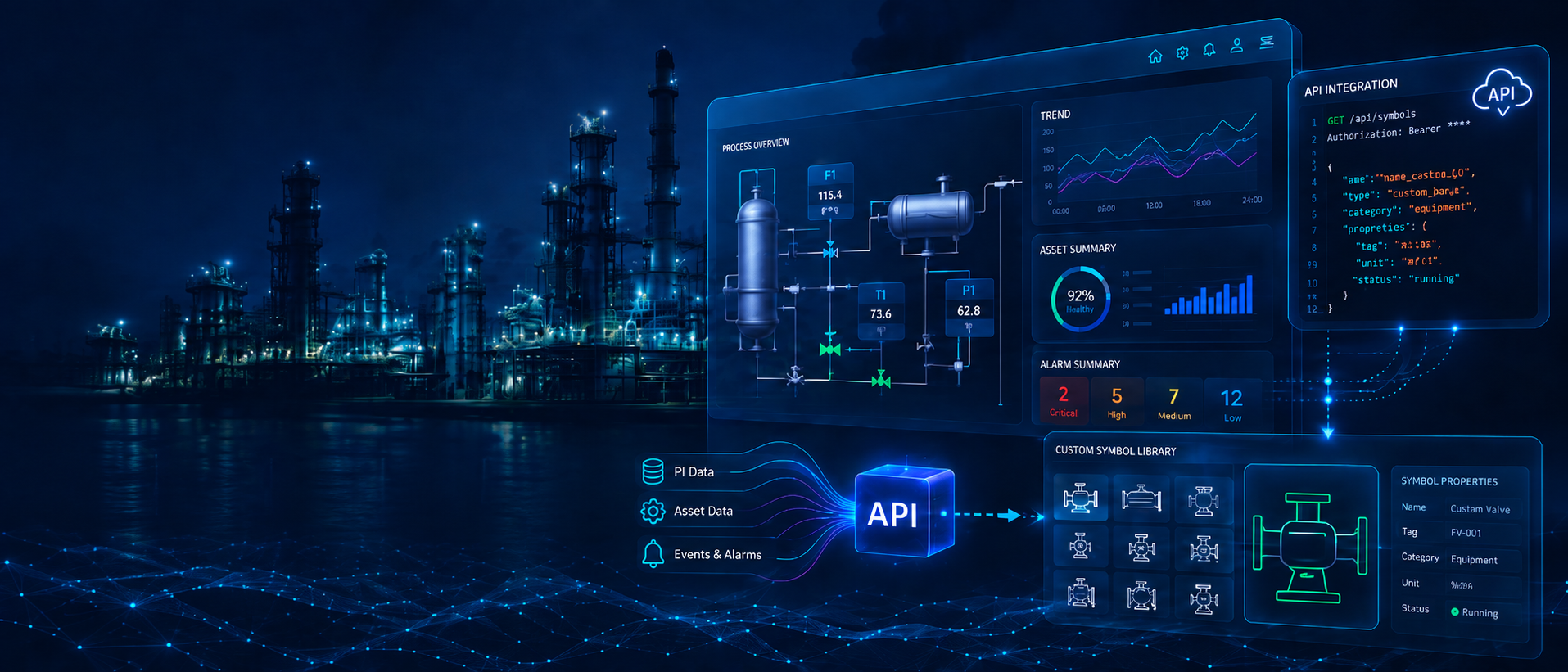
The platform can support data exchange with HMI, SCADA, MES, ERP, mobile, Big Data, IoT platforms, and database applications. This helps extend plant-floor visibility into wider operational and enterprise workflows.
Support for legacy, current, and future systems
Manufacturing plants often need to maintain existing equipment while adding new automation capabilities. KEPServerEX supports legacy, current, and future controller firmware and operating systems, helping reduce disruption when expanding or modernizing systems.
Scalable architecture
KEPServerEX can support use cases ranging from simple deployments with one protocol and one device to larger environments involving hundreds of protocols, thousands of devices, and millions of data points.
Secure communications
The platform supports secure, authenticated, and encrypted communication from client to device across different network topologies.
Redundancy support
For demanding industrial environments, KEPServerEX includes tools that support fault-tolerant redundant environments.
Expected Impact for Manufacturing Operations
Because this is a product use case rather than a customer case study, the expected impact should be framed as operational potential, not as proven customer results.
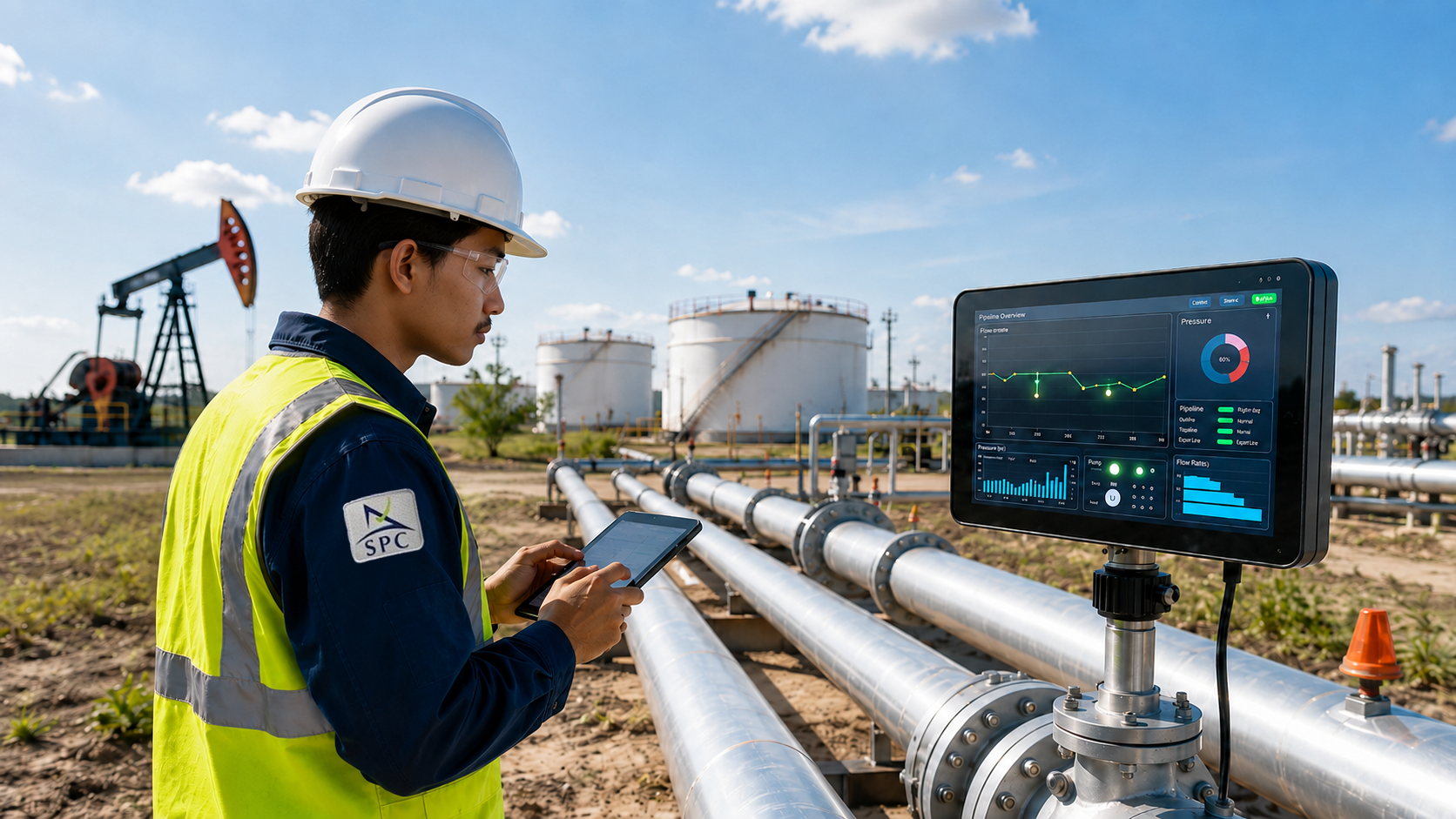
- More centralized plant-floor visibility across machines, controllers, production systems, and facility infrastructure.
- Better data availability for operations teams, maintenance teams, automation engineers, and enterprise stakeholders.
- Stronger plant-floor-to-enterprise integration across SCADA, MES, ERP, databases, analytics, mobile applications, and IoT environments.
- Easier equipment and system expansion through a standardized communication layer.
- Improved support for maintenance visibility through access to process, product, and asset data.
Why This Matters for Smart Manufacturing
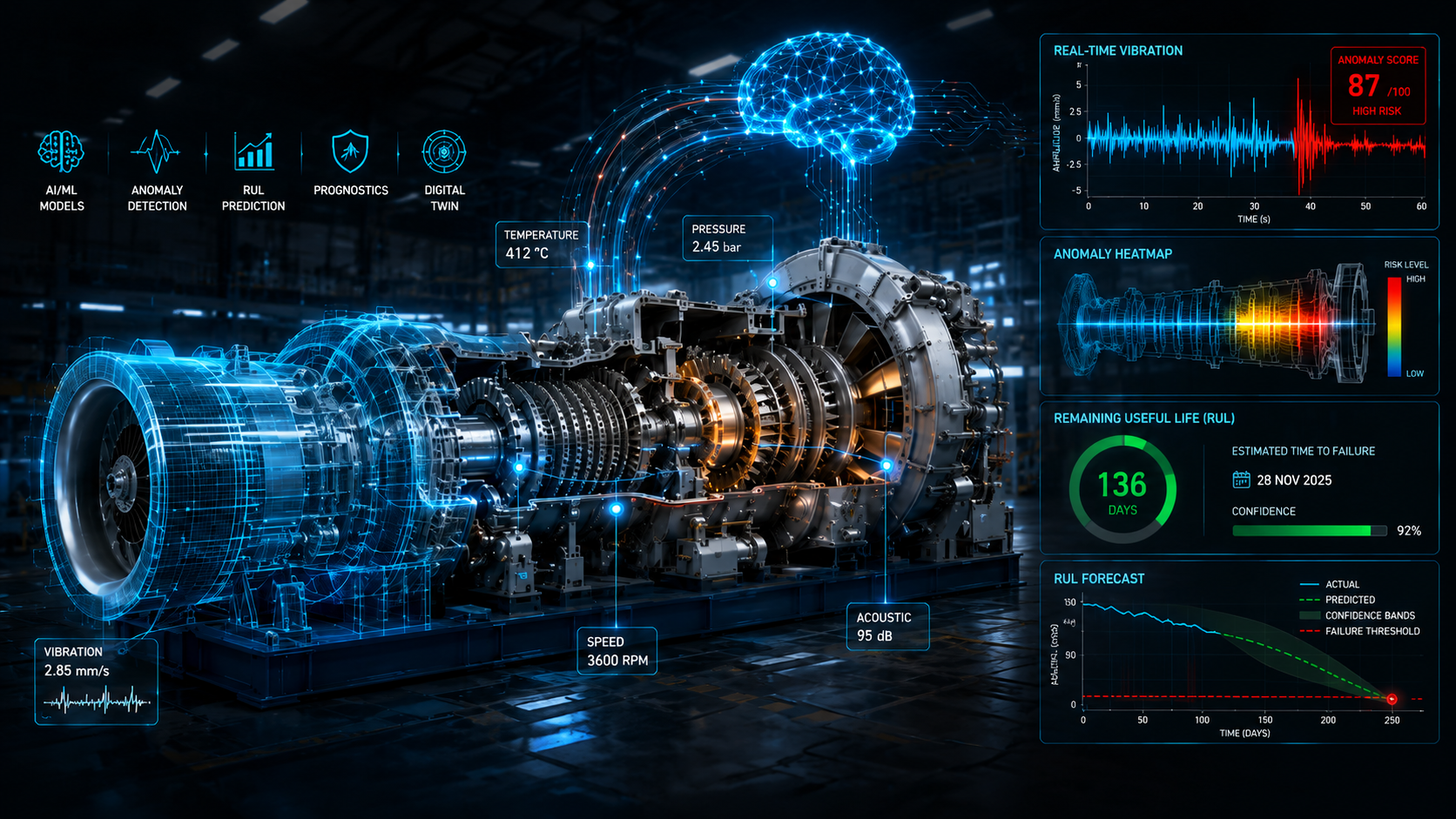
Industry 4.0 and Industrial IoT initiatives depend on reliable data movement between operational systems and enterprise platforms. The value of analytics, dashboards, automation intelligence, and predictive workflows depends heavily on whether the underlying data is accessible, accurate, and connected.
KEPServerEX helps manufacturers build the foundation for this connectivity. It does not replace SCADA, MES, ERP, or analytics systems. Instead, it supports them by providing a common industrial data source that can bridge machines, protocols, and applications.
Supported Metrics and Product Facts
- More than 150 device drivers, client drivers, and advanced options are available.
- Kepware software is distributed in more than 100 countries.
- Kepware was established in 1995.
- KEPServerEX can scale from one protocol, one device, and one data point to hundreds of protocols, thousands of devices, and millions of data points.
These are product and company facts, not customer performance results. They should not be presented as ROI, uptime improvement, downtime reduction, or productivity gains.
Conclusion
Manufacturing plants need reliable communication between machines, controllers, software platforms, databases, and enterprise systems. As operations become more connected, fragmented data architectures can limit visibility and make integration harder to manage.
KEPServerEX provides a standardized industrial communication layer that helps manufacturers connect plant-floor systems to enterprise applications through a secure, scalable, and interoperable platform.
For manufacturers building a more connected, data-driven operation, KEPServerEX can serve as the foundation for real-time visibility, IT/OT integration, and future-ready industrial data connectivity.