Introduction
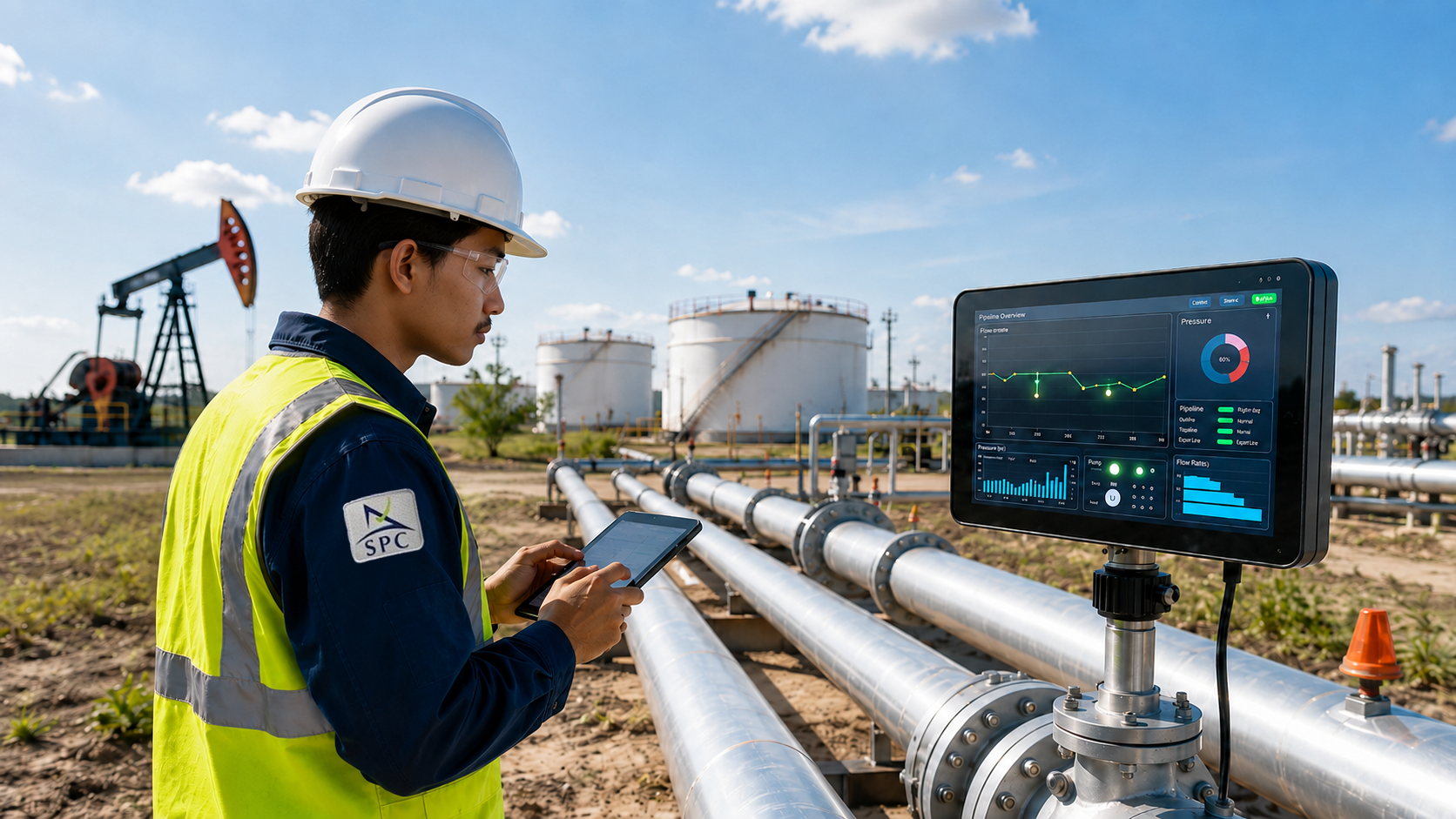
Oil and gas operations often rely on fixed visual inspection points across tanks, pipes, valves, remote areas, and difficult-to-access field assets. Many of these locations are hard to monitor continuously because power supply work, local network construction, and conventional camera installation can be costly or impractical.
LiLz Guard fits this environment as a wireless visual anomaly detection layer. It combines battery-powered LTE IoT cameras with cloud-based AI image comparison so teams can capture scheduled fixed-point images and review visible changes remotely.
The implementation opportunity is to help oil and gas teams identify suitable inspection points, define the normal-image baseline, and align alerts with maintenance, reliability, and operations workflows without positioning the system as a replacement for required inspections, safety systems, or human judgment.
The Oil & Gas Challenge
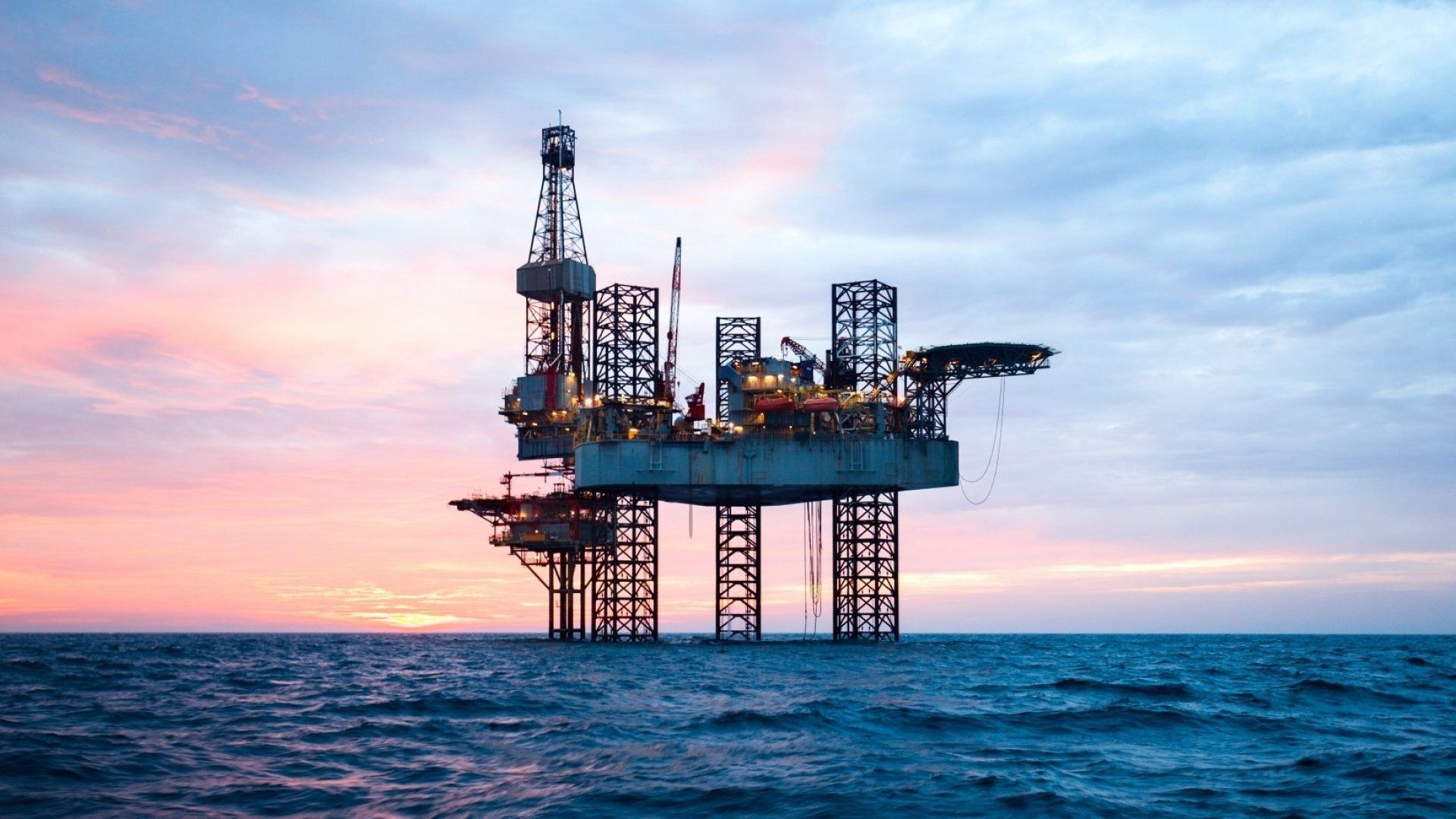
Oil and gas sites include assets that are widely distributed, exposed to harsh conditions, or located in areas where access is limited. Manual rounds remain important, but periodic inspection can miss subtle visible changes that occur between scheduled checks.
Visible conditions such as leaks, discoloration, foaming, rust, intrusion, or abnormal liquid states may require faster review than a routine inspection cycle can provide. The challenge is adding practical monitoring without creating a large electrical, network, or camera engineering project at every point.
This creates several communication challenges:
- Extending visibility to tanks, pipes, valves, and remote assets where wiring is a barrier.
- Collecting consistent fixed-point images from the same inspection position over time.
- Sending inspection images to a cloud environment without relying on local network infrastructure.
- Helping teams focus attention on visible changes rather than manually reviewing every point with the same priority.
- Keeping anomaly review under human supervision for maintenance, reliability, and operations decisions.
When remote visual monitoring is difficult to deploy, teams may continue depending on periodic rounds alone, increasing the chance that visible changes remain unnoticed until the next manual inspection.
LiLz Guard as a Remote Visual Anomaly Detection Layer
LiLz Guard provides a practical architecture for fixed-point visual monitoring. Battery-powered LTE cameras can be installed at selected inspection points, capture scheduled images, and upload those images to the cloud for remote browser-based review.
The AI workflow compares new images against registered normal images and quantifies visual differences. This helps maintenance teams review points that show visible change while keeping final interpretation and escalation with qualified personnel.
SPC can support the integration by mapping inspection points, planning camera placement, configuring image capture schedules, and helping teams define how alerts should be handled within existing maintenance and operations processes.
Key Capabilities for Oil & Gas
Fully wireless field installation
LiLz Guard can be installed without power supply construction or local network installation. This is useful for tanks, pipes, valves, and remote field assets where adding conventional cameras would require additional site work.
LTE cloud image upload
Scheduled fixed-point images are uploaded through LTE to the cloud. Teams can review inspection images from a browser, PC, or tablet instead of relying only on physical access to each inspection point.
Normal-image registration and AI comparison
Teams register normal images as the comparison baseline. New images are then compared against those registered images so visible differences can be quantified and reviewed.
Alert-supported inspection focus
Alert notifications can help direct attention to inspection points that show visible change. This can support faster review without claiming that the system independently determines operational risk.
Baseline improvement over time
Additional normal images can be added over time to improve the AI comparison baseline. This supports a more practical inspection workflow as field conditions and normal visual patterns become better defined.
Explosion-proof model option
The LC-EX10 is described as having an intrinsically safe explosion-proof design. Site-specific hazardous area classification compatibility and certification details should be verified before deployment.
Expected Impact for Oil & Gas Operations
This is an industry use case, not a proven customer result. The expected value should be treated as potential operational impact for suitable inspection points, depending on site conditions, inspection rules, and implementation quality.
- Reduce the friction of adding visual monitoring to hard-to-wire inspection points.
- Support remote inspection workflows through cloud-based image access.
- Help identify visible changes that may be overlooked between periodic manual rounds.
- Lower the technical barrier for applying AI-based visual anomaly detection to maintenance tasks.
- Provide fixed-point visual evidence to support review and escalation by maintenance, reliability, or operations teams.
Why This Matters for Remote Inspection Modernization
Oil and gas operators are under pressure to improve inspection coverage without adding unnecessary field complexity. Wireless fixed-point monitoring can help teams prioritize practical inspection points before committing to larger infrastructure changes.
For SPC, this use case connects engineering, ICT, automation, operations, and maintenance stakeholders around a focused implementation model: select the right visual points, deploy the appropriate camera type, configure the cloud review workflow, and keep anomaly decisions within existing site governance.
Supported Metrics and Product Facts
- LC-10 battery operation is described as about 3 years with 3 daily shots.
- LC-10 device weight is listed as 360g.
- LC-10 is IP65-rated.
- LC-EX10 battery operation is described as about 3 years with 3 daily shots.
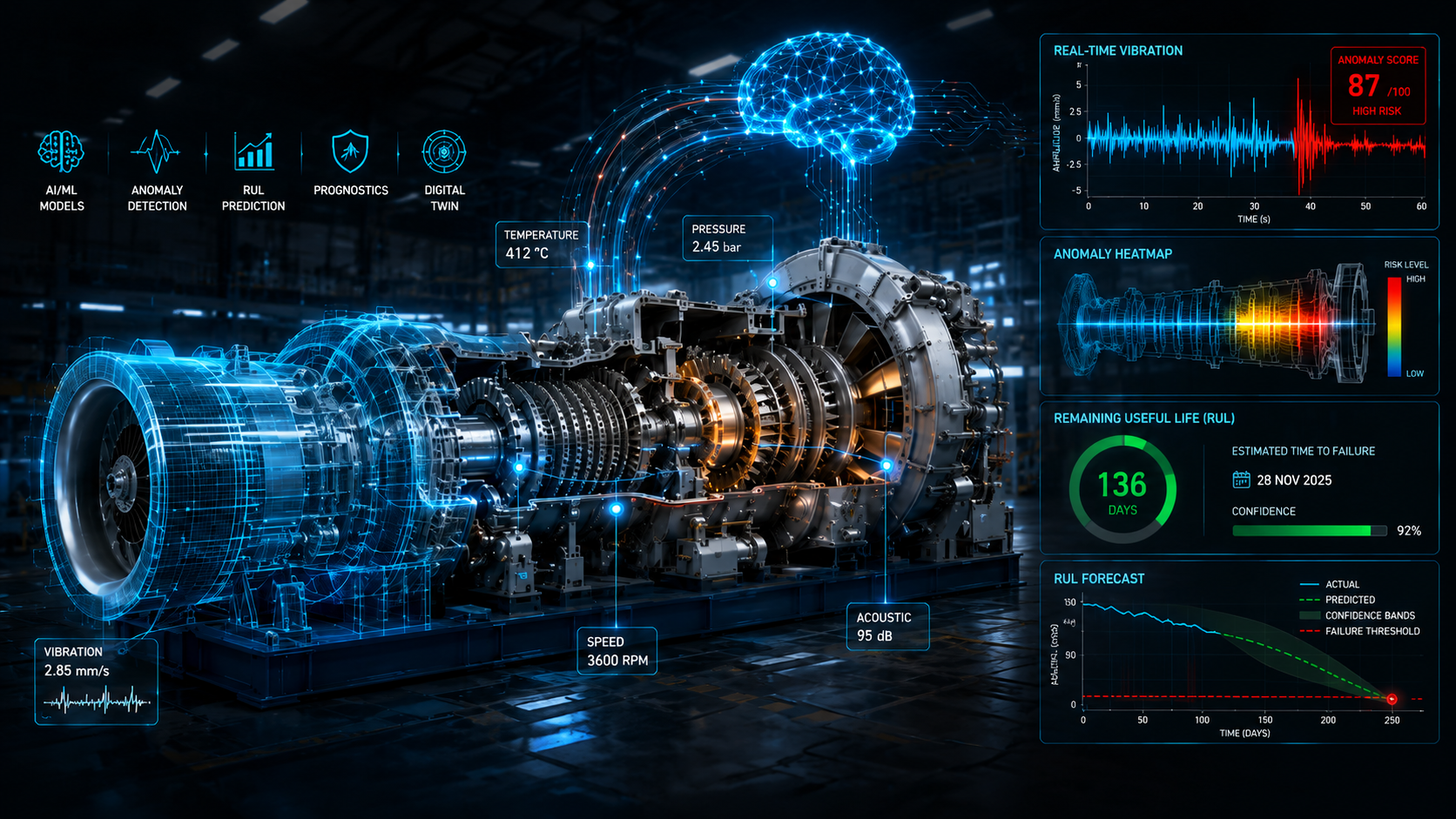
- Example anomaly scores include 27.1 shown as Normal and 87.6 shown as Abnormal.
These are product facts and example system indicators from the provided input, not verified customer performance results or quantified ROI outcomes.
Conclusion
Remote oil and gas inspection points are often difficult to monitor with conventional camera infrastructure. Tanks, pipes, valves, and field assets may need practical visual coverage without power supply installation or local network construction.
LiLz Guard addresses this use case with wireless LTE cameras, scheduled fixed-point image capture, cloud review, and AI image comparison against registered normal images. SPC can support the site-fit assessment, implementation planning, and workflow alignment needed to apply the system responsibly.
A practical next step is to identify inspection points where fixed-position visual evidence could reduce inspection burden and improve review focus, then validate camera placement, hazardous area requirements, and operating procedures before deployment.